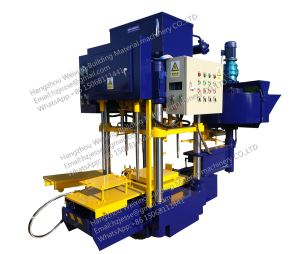
Hey there! As a supplier of roof tile moulds, I've dealt with the challenges of transporting these delicate items quite a bit. In this blog, I'll share some tips on how to transport roof tile moulds safely.
Understanding the Nature of Roof Tile Moulds
First off, it's important to know what we're working with. Roof tile moulds are usually made of materials like steel, aluminum, or high - strength plastics. They come in various shapes and sizes, and they're pretty fragile in some ways. The edges can get chipped, and if they're not handled right, the overall shape can get distorted.
Pre - transport Preparation
Inspection
Before you even think about moving the moulds, give them a thorough inspection. Look for any existing damage, like cracks or dents. If you find any, mark them clearly. This way, if there's more damage during transport, you'll know what was pre - existing.
Cleaning
Clean the moulds properly. Remove any debris, dust, or leftover material from previous uses. A clean mould is less likely to get damaged during handling and also makes it easier to spot any new damage that might occur during transport.
Protection
Invest in good quality protective materials. Foam padding is great for cushioning the moulds. You can wrap each mould individually in thick foam sheets. If the moulds have sharp edges, cover them with edge protectors to prevent scratches on other moulds or the transport container.


Choosing the Right Transport Container
Size and Fit
The container you choose should be the right size for the moulds. It shouldn't be too big, or the moulds will shift around during transit. On the other hand, it can't be too small, as that might cause the moulds to get crushed. Measure the moulds carefully and select a container that provides a snug fit.
Durability
Go for a sturdy container. If you're using cardboard boxes, make sure they're thick and well - constructed. For larger or heavier moulds, wooden crates can be a better option. They're more durable and can withstand more rough handling.
Loading the Moulds
Stacking
When loading the moulds into the container, stack them carefully. Place the heavier and more stable moulds at the bottom. Try to stack them in a way that they support each other and don't topple over. If possible, use dividers in the container to keep the moulds separated and prevent them from rubbing against each other.
Securing
Once the moulds are stacked, secure them in place. You can use straps or ropes to hold them together. Make sure the straps are tight enough to prevent movement but not so tight that they damage the moulds.
Selecting a Transport Method
Road Transport
If you're transporting the moulds locally, road transport is usually a good option. However, you need to choose a reliable carrier. Look for a company that has experience in transporting fragile items. They should have proper shock - absorbing systems in their trucks to minimize the impact of bumps on the road.
Air Transport
For long - distance or international shipments, air transport can be faster. But it also comes with its own set of challenges. The moulds need to be packed even more carefully because of the changes in air pressure. Make sure to follow the airline's regulations regarding packaging and weight.
During Transport
Monitoring
If possible, track the shipment. You can use GPS tracking devices to keep an eye on the location and movement of the container. This way, you'll know if there are any unexpected delays or if the container is being handled roughly.
Communication
Stay in touch with the transport company. Let them know that the contents are fragile and need special handling. Ask for updates on the status of the shipment and be ready to address any issues that might arise.
Unloading and Final Inspection
Gentle Unloading
When the moulds reach their destination, unload them gently. Use proper lifting equipment, like forklifts or hoists, to avoid dropping or mishandling the moulds.
Final Inspection
Once the moulds are unloaded, do a final inspection. Compare the current state of the moulds with the pre - transport inspection. If there's any new damage, document it immediately and contact the transport company to discuss the next steps.
Related Products
If you're in the tile - making business, you might also be interested in some of our other products. Check out our Terrazzo Tile Making Machine, Small Mobile Cutting Machine, and Cement Tile Making Machines.
Contact for Purchase
If you're looking to buy roof tile moulds or any of our other products, don't hesitate to reach out. We're here to help you with all your tile - making needs. Whether you have questions about the products, the transport process, or anything else, just let us know.
References
- General knowledge from years of experience in the roof tile moulds business.
- Industry best practices for transporting fragile items.