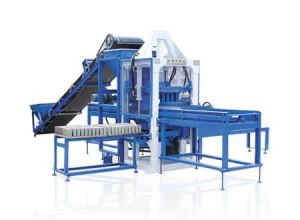
Hey there! As a supplier of brick machines, I often get asked about the installation space requirements for these machines. It's a crucial question because having the right space is essential for the smooth operation and longevity of your brick - making equipment. In this blog, I'll break down the key factors you need to consider when it comes to the installation space for a brick machine.
Overall Machine Dimensions
First off, you've got to know the actual size of the brick machine itself. Different types of brick machines have varying dimensions. For example, a Paving Concrete Block Making Machine is usually larger in size compared to a Small Concrete Block Machine. The size of the machine is determined by its production capacity, the complexity of its design, and the type of bricks it can produce.
A high - capacity paving block machine might need a space of around 20 to 30 square meters just for the machine unit. This includes the main body of the machine, the hoppers for raw materials, and the control panel. On the other hand, a small - scale concrete block machine can fit into a space as small as 5 to 10 square meters.
Clearance Space
It's not just about fitting the machine into a space. You also need to account for clearance space around the machine. This is important for several reasons. Firstly, it allows for easy access to the machine for maintenance and repair. Mechanics need enough room to move around the machine, open panels, and work on different components. A clearance of at least 1 to 2 meters around the machine is recommended.
Secondly, clearance space is necessary for the safe operation of the machine. During the production process, there might be some vibrations and movements. Having enough space around the machine ensures that there are no obstacles that could interfere with its operation or cause safety hazards.
Raw Material Storage
Brick machines rely on a continuous supply of raw materials such as cement, sand, and gravel. You need to have enough space to store these materials near the machine. The amount of storage space depends on your production volume. If you're running a large - scale operation, you might need a storage area of 50 to 100 square meters or even more.


For smaller operations, a storage space of 10 to 20 square meters could be sufficient. It's a good idea to have the storage area organized in a way that makes it easy to transport the raw materials to the machine. You can use conveyor belts or forklifts to move the materials, and you need to have enough space for these transportation methods as well.
Finished Product Storage
Once the bricks are made, you need a place to store them. The storage space for finished products should be large enough to hold the output of your machine for a reasonable period. If your machine produces a large number of bricks per day, you'll need a substantial storage area.
The storage area should be dry and well - ventilated to prevent the bricks from getting damaged. A simple rule of thumb is to have a storage area that can hold at least a week's worth of production. For a medium - sized brick machine, this could mean a storage space of 30 to 50 square meters.
Height Requirements
Don't forget about the height of the installation space. Some brick machines, especially those with tall hoppers or large - scale conveyor systems, require a certain minimum height. A typical brick machine might need a ceiling height of 3 to 5 meters.
This height is necessary to accommodate the vertical components of the machine and to allow for the movement of materials within the machine. If the ceiling is too low, it could restrict the operation of the machine or cause damage to the equipment.
Electrical and Utility Space
Brick machines need a reliable power supply, and you need to have enough space to install the electrical panels and wiring. You also need to consider the space for other utilities such as water supply and drainage.
The electrical panel should be installed in a safe and accessible location, away from the main body of the machine to prevent any electrical hazards. The water supply and drainage systems should be properly designed and installed to ensure a continuous and clean water supply for the production process.
Expansion Considerations
When planning the installation space for your brick machine, it's a good idea to think about future expansion. If you plan to increase your production capacity in the future, you might need to add more machines or upgrade your existing equipment.
Leave some extra space in your installation area to accommodate these future changes. This could save you a lot of hassle and cost in the long run.
Different Types of Brick Machines and Their Space Requirements
Let's take a closer look at the space requirements for different types of brick machines.
Paving Concrete Block Making Machine
As mentioned earlier, these machines are usually larger and more complex. They require a relatively large installation space. In addition to the machine itself, you need space for the raw material storage, finished product storage, and clearance space. A typical installation space for a paving concrete block making machine could be around 50 to 100 square meters, depending on the production capacity.
Concrete Formwork ICF Block Machine
These machines are used to produce insulated concrete formwork (ICF) blocks. They have their own unique space requirements. The machine itself might be of medium size, but you need to account for the storage of the special materials used in ICF block production.
The total installation space for a concrete formwork ICF block machine could range from 30 to 80 square meters.
Small Concrete Block Machine
These are ideal for small - scale operations or for those who are just starting in the brick - making business. They have relatively low space requirements. The total installation space, including the machine, raw material storage, and finished product storage, can be as small as 15 to 30 square meters.
Conclusion
In conclusion, the installation space requirements for a brick machine depend on several factors, including the type of machine, its production capacity, and your future expansion plans. It's important to carefully plan the installation space to ensure the efficient and safe operation of your brick - making equipment.
If you're in the market for a brick machine and need more information about the installation space requirements or any other aspect of our products, don't hesitate to reach out. We're here to help you make the right choice for your business. Whether you're looking for a Paving Concrete Block Making Machine, a Concrete Formwork ICF Block Machine, or a Small Concrete Block Machine, we've got you covered. Contact us today to start the procurement process and take your brick - making business to the next level.
References
- Industry standards for brick machine installation.
- Manufacturer's guidelines for different types of brick machines.