Heat resistance is a crucial property for roof tile moulds, especially considering the various environmental conditions they are exposed to. As a leading supplier of roof tile moulds, we understand the significance of this characteristic and its impact on the quality and durability of the final roof tiles.
Understanding Heat Resistance in Roof Tile Moulds
Heat resistance refers to the ability of a material to withstand high temperatures without significant deformation, degradation, or loss of its structural integrity. In the context of roof tile moulds, this property is essential because the moulds are often subjected to elevated temperatures during the tile manufacturing process. For example, in some manufacturing methods, the moulds are used in conjunction with hot materials or are placed in high - temperature environments to cure the tiles.
The heat resistance of roof tile moulds is influenced by several factors. One of the primary factors is the material from which the mould is made. Common materials for roof tile moulds include steel, aluminum, and certain types of plastics. Each material has its own heat - resistant properties.
Steel is known for its high heat resistance. It can withstand very high temperatures without melting or deforming significantly. This makes it an ideal choice for applications where the moulds are exposed to extreme heat during the tile - making process. Steel moulds can maintain their shape and dimensions even under high - temperature conditions, ensuring that the roof tiles produced have consistent quality and accurate dimensions.
Aluminum also has relatively good heat resistance. It is lighter than steel, which can be an advantage in some manufacturing setups. Aluminum moulds can dissipate heat more quickly than steel, which can reduce the cooling time of the tiles. However, aluminum has a lower melting point compared to steel, so it may not be suitable for applications where extremely high temperatures are involved.
Plastic moulds, on the other hand, have a lower heat resistance compared to metal moulds. They are more likely to deform or melt at relatively lower temperatures. However, they are often more cost - effective and can be used in applications where the temperature requirements are not as extreme.
Importance of Heat Resistance in Roof Tile Manufacturing
The heat resistance of roof tile moulds has a direct impact on the quality of the roof tiles produced. If a mould does not have sufficient heat resistance, it may deform during the manufacturing process. This can lead to tiles with irregular shapes, uneven surfaces, or incorrect dimensions. Such defective tiles may not fit properly on the roof, which can compromise the overall integrity of the roofing system.
Moreover, heat - resistant moulds can improve the efficiency of the manufacturing process. Moulds that can withstand high temperatures can be used in high - speed production lines, where the tiles are cured or formed at elevated temperatures. This allows for faster production rates and higher output, which can be beneficial for manufacturers looking to meet market demands.
In addition, heat - resistant moulds have a longer lifespan. They are less likely to be damaged by high - temperature exposure, which means they can be used for a longer period of time. This reduces the need for frequent replacement of moulds, which can save manufacturers both time and money.
Testing the Heat Resistance of Roof Tile Moulds
To ensure that our roof tile moulds meet the required heat - resistance standards, we conduct a series of tests. One common test is the thermal cycling test. In this test, the mould is subjected to repeated cycles of heating and cooling. The temperature is gradually increased to a specified level and then decreased back to room temperature. This simulates the real - world conditions that the mould may encounter during the tile - manufacturing process.
Another test is the high - temperature exposure test. In this test, the mould is placed in an oven at a high temperature for a specific period of time. The mould is then inspected for any signs of deformation, such as warping or cracking. If the mould passes these tests, it is considered to have sufficient heat resistance for the intended application.
Applications of Heat - Resistant Roof Tile Moulds
Heat - resistant roof tile moulds are used in a variety of applications. They are commonly used in the production of concrete roof tiles. Concrete tiles are popular because of their durability and aesthetic appeal. The manufacturing process of concrete tiles often involves high - temperature curing, which requires moulds with good heat resistance.
We also supply heat - resistant moulds for the production of clay roof tiles. Although clay tiles are typically fired at high temperatures, the moulds used in the initial shaping process also need to withstand some heat. Our heat - resistant moulds ensure that the clay tiles are formed accurately and maintain their shape during the firing process.
In addition, our heat - resistant moulds are used in the production of cement tiles. Cement tiles are known for their strength and versatility. The manufacturing process of cement tiles may involve the use of hot materials or high - temperature curing, and our moulds can handle these conditions effectively.


Related Products and Their Role
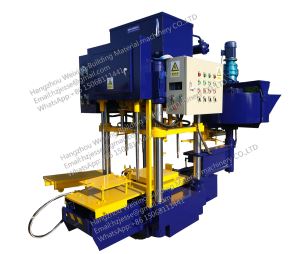
As a supplier of roof tile moulds, we also offer related products such as concrete paver machine, Cement Tiles Manufacturing Machines, and Corrugated Roof Tile Making Machine. These machines work in conjunction with our roof tile moulds to produce high - quality roof tiles.
The concrete paver machine is used to create concrete pavers, which can be used for various applications such as driveways and sidewalks. The Cement Tiles Manufacturing Machines are designed to produce cement tiles with different shapes and patterns. The Corrugated Roof Tile Making Machine is specifically used to produce corrugated roof tiles, which are popular for their strength and water - shedding properties.
Contact Us for Procurement
If you are in the market for high - quality roof tile moulds with excellent heat resistance, we invite you to contact us. Our team of experts can provide you with detailed information about our products, including their heat - resistant properties, manufacturing processes, and applications. We can also help you choose the right moulds for your specific needs. Whether you are a small - scale tile manufacturer or a large - scale industrial producer, we have the solutions to meet your requirements.
References
- "Materials Science for Engineers" by David Askeland
- "Manufacturing Processes for Engineering Materials" by Serope Kalpakjian and Steven Schmid
- Industry reports on roof tile manufacturing and mould technology